
Doom Spending: The Psychology of Revenge Shopping
Why economic anxiety makes you spend more, not less. The neuroscience of doom spending, how it differs from retail therapy, and how to break the cycle.

Why economic anxiety makes you spend more, not less. The neuroscience of doom spending, how it differs from retail therapy, and how to break the cycle.
A 2022 meta-analysis found ultra-processed food raises depression and anxiety risk by 53%. New 2025 research shows it disrupts gut serotonin, alters brain lipids, and may triple Alzheimer's risk.

New research shows that catching up on sleep over the weekend lowers your risk of depression by 41%. But only if you do it right.
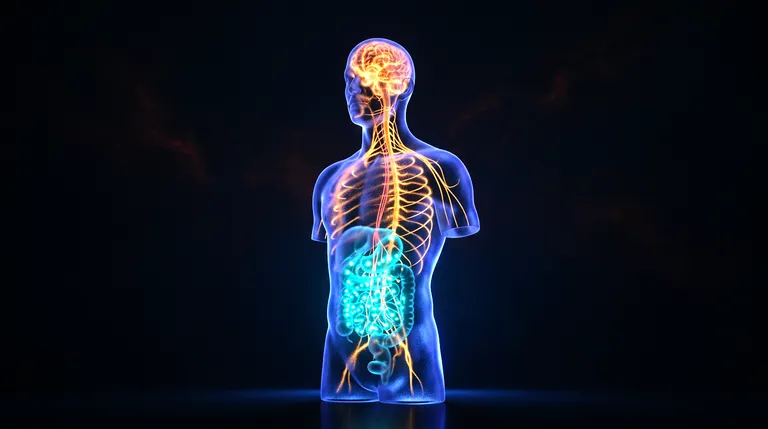
Your gut produces 90% of your serotonin and talks directly to your brain. New research reveals how stress destroys this connection and what you can do about it.
New research reveals procrastination is 63% heritable, linked to your amygdala size, and scientists can now zap it away with brain stimulation. Here is what your genes have to do with putting things off.

The rooms you sit in, the colors on your walls, and the layout of every store you enter are shaping your thoughts, mood, and decisions. Here's the science.

A massive study of 14,170 people found that exercise reduces depression more than medication. Here's what works, why it works, and how to start.
Playing specific sounds during sleep can weaken traumatic memories and strengthen positive ones. One week of this technique matched months of traditional PTSD therapy in clinical trials.
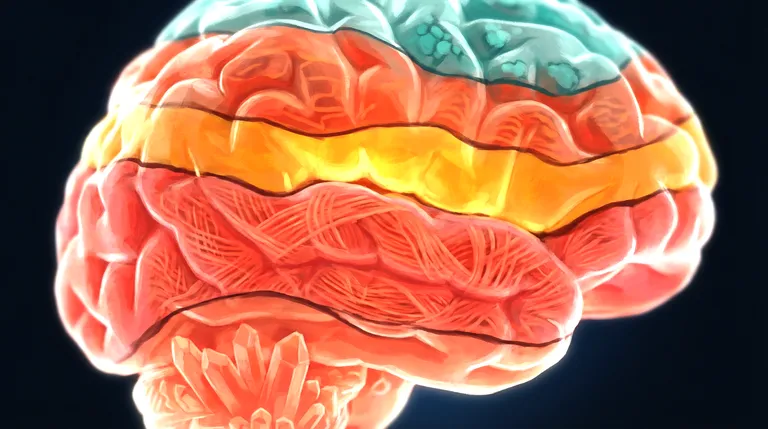
Brain scans of 4,216 people reveal five distinct brain eras with major turning points at ages 9, 32, 66, and 83. The popular belief that your brain matures at 25 was never right.
Your brain is wired to sabotage you when the stakes are highest. Here's the neuroscience behind choking under pressure, and 5 proven techniques to stop it.
Your brain is convinced it makes logical decisions. Science says otherwise. Discover the hidden forces that hijack your rational mind every single day.
New research shows MDMA causes lasting memory and learning deficits that persist even years after you stop using it. Here's what the science actually says about ecstasy and your brain.

Science reveals why women find married and taken men more attractive. Learn about mate-choice copying, the wedding ring effect, social proof in dating, and what evolutionary psychology says about this surprising attraction pattern.
Childhood trauma physically changes your brain's structure and chemistry. Learn how the amygdala, prefrontal cortex, and hippocampus are affected, and what neuroscience says about rewiring your brain for recovery.
Science says your personality isn't set in stone. Learn how researchers proved you can reshape your Big Five traits in as little as three months with the right strategies.
Open-label placebos produce real healing even when patients know the pill is sugar. Learn how your brain's expectation machinery makes placebos work and why the effect keeps getting stronger.
Rewards are supposed to motivate you. But decades of psychology research prove they often do the opposite. Here's why incentives backfire and what actually drives human motivation.
Your brain is designed to get bored with good things. It's called the hedonic treadmill, and it explains why promotions, new cars, and even lottery wins stop feeling good. Here's how to break the cycle.